
Volumetric Weight Calculations by iThink Logistics: Explained

Related Posts

How to Dispute Incorrect Weight Charges on iThink Logistics – A Complete Seller’s Guide

Introduction: The Hidden Problem of Weight Discrepancies in E-commerce ShippingE-commerce sellers across India face a common yet frustrating problem: incorrect weight charges from courier partners. Whether you ship throu...
iThink Logistics Weight Discrepancy: Common Issues for Sellers
Introduction: The Weight Discrepancy Problem in E-commerceIn India’s fast-growing e-commerce industry, accurate shipping weight calculations are critical. Yet, one of the most common challenges sellers face when shipping...
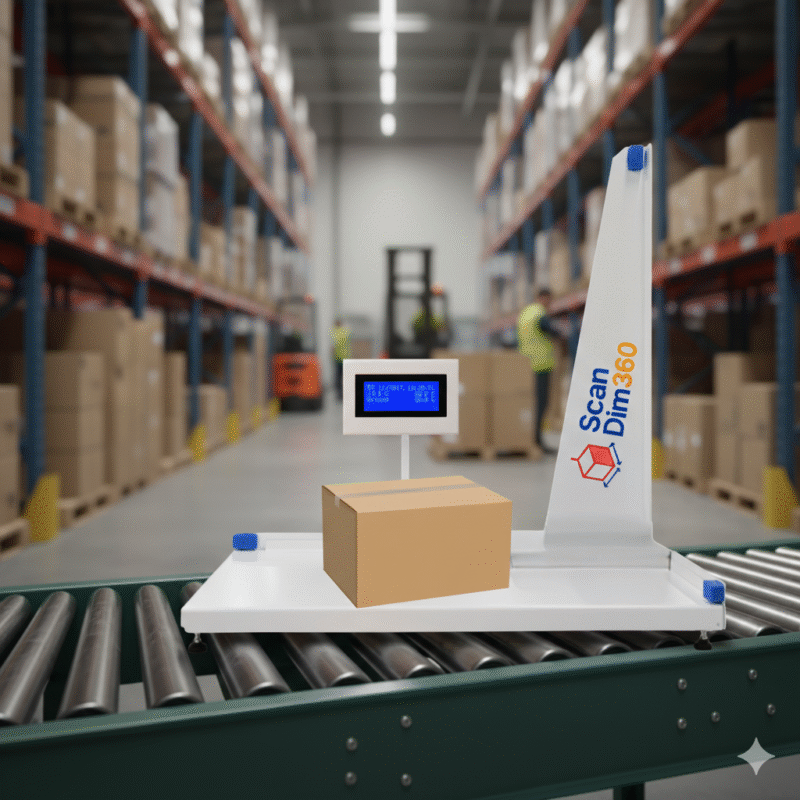
Volumetric Weight Calculations by NimbusPost: Explained
Introduction: The Hidden Problem of Shipping Weight DiscrepanciesIn the fast-paced world of e-commerce, shipping accuracy is critical. Yet, sellers and logistics partners across India frequently face weight discrepancy i...
How to Dispute Incorrect Weight Charges on NimbusPost: A Complete Guide for Sellers
IntroductionIn India’s fast-growing e-commerce market, sellers and logistics partners rely heavily on courier aggregators like NimbusPost to manage shipping. While the platform streamlines logistics, many sellers encount...
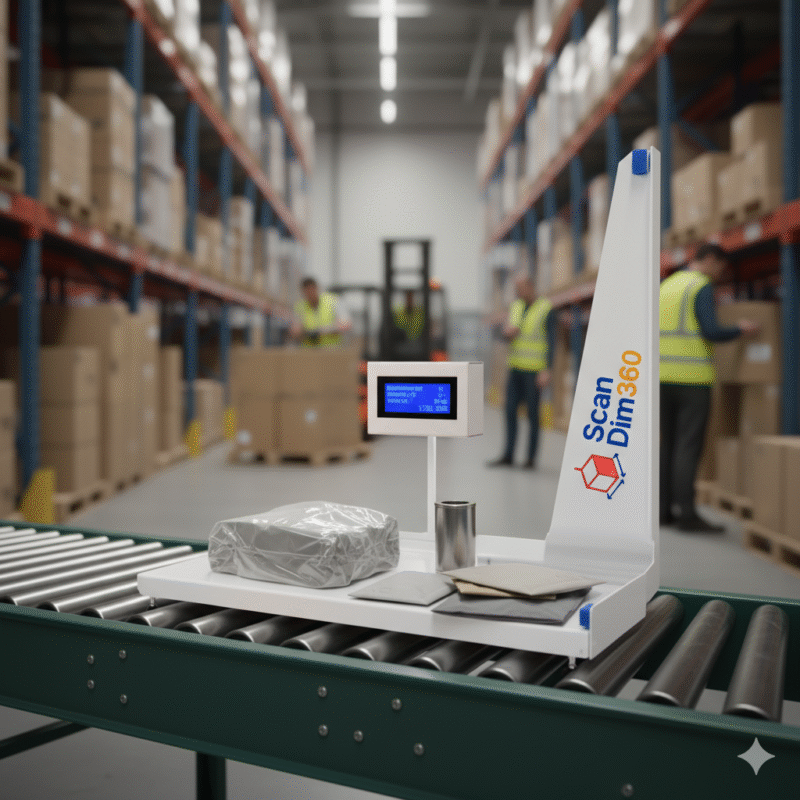
NimbusPost Weight Discrepancy: Common Issues for Sellers and How Scandim360 Solves Them
IntroductionE-commerce sellers in India often struggle with a recurring and frustrating issue: weight discrepancy in shipping. Whether using logistics aggregators like NimbusPost, Shiprocket, or Delhivery, sellers face d...
Volumetric Weight Calculations by Pickrr: Explained
Introduction: The Hidden Challenge of Weight Discrepancies in E-Commerce ShippingIn the fast-paced world of Indian e-commerce, sellers often face one of the most frustrating challenges: weight discrepancies. Couriers and...
How to Dispute Incorrect Weight Charges on Pickrr: A Complete Guide for Sellers
IntroductionOne of the most frustrating challenges faced by e-commerce sellers in India is incorrect weight charges on shipments. When shipping through platforms like Pickrr, sellers often encounter weight discrepancies ...
Pickrr Weight Discrepancy: Common Issues for Sellers and How Scandim360 Solves Them
Introduction: The Growing Challenge of Weight Discrepancy in E-commerceE-commerce in India is booming, but with rapid growth comes a set of challenges that many sellers face daily. One of the most frustrating problems is...
Volumetric Weight Calculations by WOW Express: Explained
Introduction: The Hidden Challenge in E-commerce ShippingIn India’s fast-growing e-commerce ecosystem, sellers often face a frustrating challenge: weight discrepancies and courier overcharges. Shipping companies rely not...
How to Dispute Incorrect Weight Charges on WOW Express: A Seller’s Guide
Introduction: The Weight Discrepancy Challenge in Indian E-commerceIn the fast-paced world of e-commerce, logistics accuracy is critical. Yet, many sellers across India face a recurring problem: weight discrepancies and ...
WOW Express Weight Discrepancy: Common Issues for Sellers
Introduction: The Hidden Cost of Shipping ErrorsFor e-commerce sellers in India, shipping is one of the most crucial yet frustrating parts of the business. Among the biggest challenges is weight discrepancy – when the co...
Volumetric Weight Calculations by Gati: Explained
Introduction: The Hidden Challenge in E-Commerce ShippingE-commerce in India has witnessed explosive growth, but one persistent challenge continues to frustrate sellers—weight discrepancies and courier overcharges. Selle...